

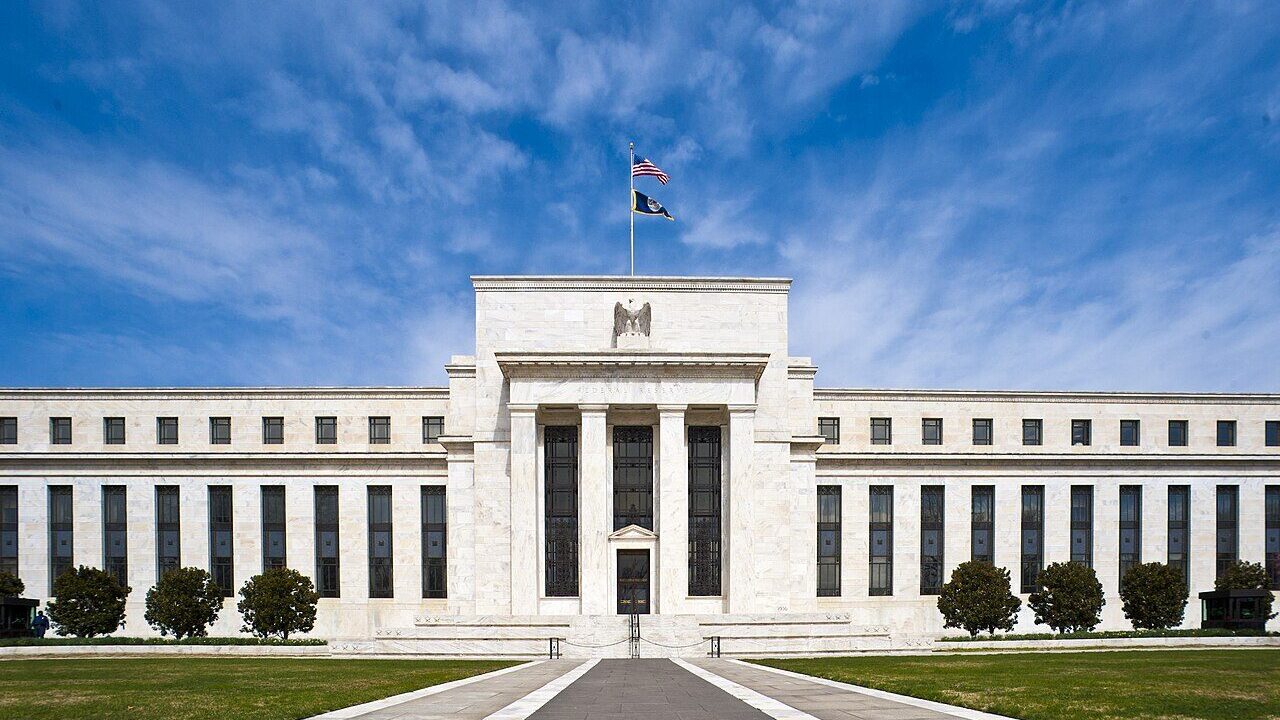
When the Federal Reserve raises interest rates, the decision is only half the story. The other half unfolds at the press conference, where the chair’s words can move markets as much as the vote itself.
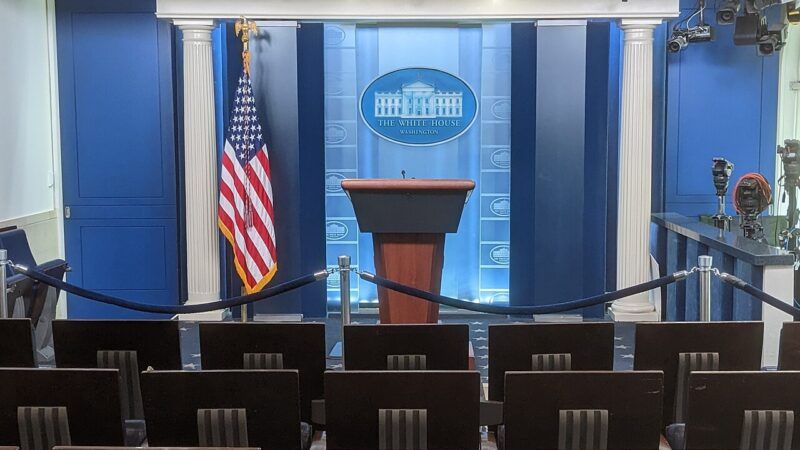
In the video above, Fed Chair Kevin Warsh takes questions after the central bank’s decision to raise rates, explaining how officials are weighing inflation that remains above target against a labour market that has so far stayed resilient.
Warsh discusses the path for borrowing costs, financial conditions and the outlook for the economy, and why policymakers chose to move when they did. His answers offer the clearest available window into how the committee is thinking about what comes next.
For households, the stakes are concrete: the Fed’s benchmark rate shapes mortgage costs, car loans and credit-card interest, even though the central bank does not set any of those directly.
Video: Reuters (official YouTube channel). Watch the embed above; no download is required.
Post-meeting press conferences have been a fixture of Fed communications for well over a decade, introduced to make the central bank’s reasoning legible to the public rather than only to traders. Chairs use them to explain dissent within the committee, to correct market misreadings in real time and, occasionally, to send a deliberate signal about the next move.
Warsh’s exchanges with reporters follow that tradition. For anyone deciding whether to lock a mortgage rate or time a major purchase, the tone of these answers — confident, cautious or divided — can be as informative as the decision itself.
For readers catching up, a rate increase works through the economy with a lag: bond yields react within minutes, bank lending rates within weeks and household borrowing costs over the following months. That delay is why the language around future meetings matters so much, and why so many questions at these briefings circle back to a single issue — what would make the committee change its mind.