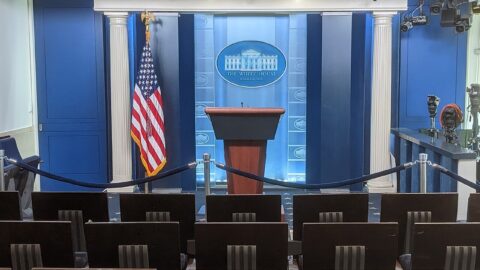



Three major news organisations were back in federal court on Thursday asking a judge to keep the White House from barring them again, in a case that has become the sharpest legal test yet of President Donald Trump’s campaign against media coverage he dislikes.
Lawyers for CNN, MS NOW and Politico urged US District Judge Timothy Kelly to extend their protection against the ban while their lawsuit plays out. The Justice Department defended the exclusions as fair and justified. Kelly promised a ruling by Tuesday, when the temporary block he placed on the ban expires.
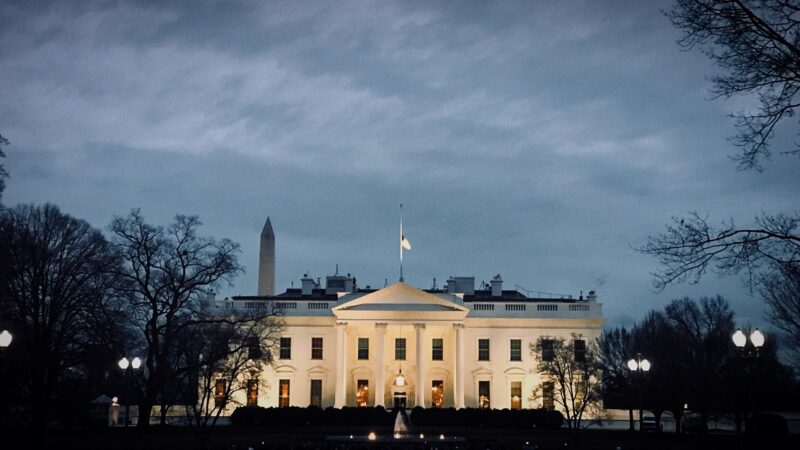
The dispute began last month when Trump announced he was barring the three outlets from the White House grounds over reporting he called “fake news,” later arguing their coverage posed a national security risk. Reporters’ entry badges were disabled the next day. The outlets sued, arguing the move was unlawful retaliation for the content of their reporting and a violation of the First Amendment.
On September 24, Kelly temporarily blocked the ban and ordered the White House to immediately restore the outlets’ access. He said the organisations were likely to succeed in showing their passes had been revoked without due process, and he called the standard for objectionable reporting in the White House’s letters so vague that it hardly did the work the government claimed for it.
At Thursday’s hearing, attorney Theodore Boutrous argued for the outlets that the ban also violates First Amendment protections against government abridgement of free speech and would discourage reporters from publishing stories that reflect poorly on the president. Justice Department lawyer Michael Velchik said the outlets had failed to meet standards of journalistic professionalism and had published classified and false information, allegations the outlets deny.
The outlets say the fight did not end with the restraining order. In filings, they accused the administration of unpredictably and inconsistently implementing the ban despite the court’s intervention, including selectively keeping CNN from participating in White House pool duties, the shared arrangement under which a small group of journalists covers events and distributes the material to everyone else. When CNN was kept from its assigned pool role, other networks declined to send a replacement in solidarity.
The administration’s position, stated publicly by senior officials, is that White House access is a privilege rather than a right, and that the president may decide who flies on his plane and who covers him up close. The outlets answer that revocable access still cannot be withdrawn as punishment for coverage, and that the lack of notice or an appeal process is itself unconstitutional.
Kelly, who was nominated by Trump in 2017 and ordered a CNN journalist’s access restored in a similar case in 2018, now has to decide whether the temporary protection becomes a preliminary injunction lasting until the case is resolved. His ruling, promised by Tuesday, will set the ground rules for White House reporting for the rest of the litigation, and possibly for the rest of the term.
The case does not stand alone. The administration’s second term has produced a series of confrontations with the press, including restrictions and sanctions affecting White House and Pentagon reporters and several lawsuits now moving through the federal courts. That pattern is why both sides are treating a fight over press passes as something larger. If the courts accept that access can be withdrawn over coverage with only the justifications offered here, the precedent would apply to every newsroom that covers the presidency. If they reject it, they will have drawn one of the clearest lines yet around how a president can respond to reporting he dislikes.
Related reading: Supreme Court Pauses Deadline in Fight Over FCC Political Ad Rates · Arlington Sues to Block Trump Triumphal Arch Near Memorial Bridge · Spain Calls Snap Election as Housing Crisis Forces Sanchez Gamble