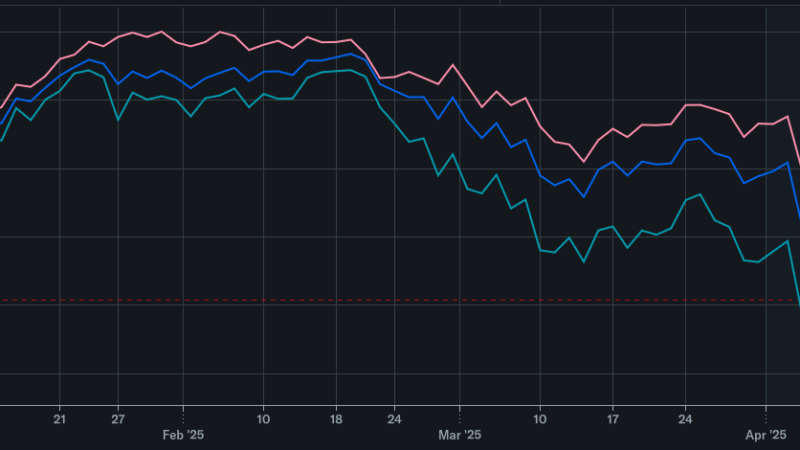



US stocks finished a choppy week with a solid Friday gain, as investors positioned for the start of third-quarter bank earnings and tried to look past a sour reading on household confidence.
The S&P 500 rose 0.59 percent to 7,811.54, the Dow Jones Industrial Average added 0.83 percent to 51,654.95 and the Nasdaq Composite climbed 0.64 percent to 27,366.17. The advances trimmed losses from earlier in the week and left the major gauges close to record territory.
The upbeat close came despite a fresh University of Michigan survey showing consumer sentiment sliding, with households reporting record-low assessments of their current conditions. Traders appeared to treat the gloom as an old story: spending has repeatedly held up even when surveys darken.
Attention now turns to the large banks that open earnings season in the coming days. Their results, and especially what executives say about loan demand, credit quality and deal-making, often set the tone for the hundreds of companies that follow.
Strategists said the market’s resilience rests on profits continuing to grow fast enough to justify high valuations. With sentiment weak but earnings expectations firm, the next fortnight of corporate reports may matter more than any single economic release.
Bank earnings matter out of proportion to the sector’s size because lenders see the economy before anyone else: every loan application, card swipe and missed payment crosses their desks first. Comments on consumer credit and corporate borrowing plans often move markets more than the profit figures themselves.
Friday’s rise also suggested investors are, for now, comfortable holding stocks near highs while they wait. That comfort will be tested quickly if the first big banks strike a cautious tone about the months ahead.
Friday’s gains were broad rather than spectacular, the kind of session traders describe as orderly: buyers appeared on dips, volatility stayed contained and the close rewarded patience through a week of cross-currents between strong corporate expectations and weak household confidence. Desks reported no single catalyst, more a collective decision that the earnings season, not the surveys, would get the next word.