

Tariffs pushed the prices Americans pay for everyday goods significantly higher last year and into this one, according to new research from the Federal Reserve Bank of New York that puts a number on one of the year’s biggest economic arguments.
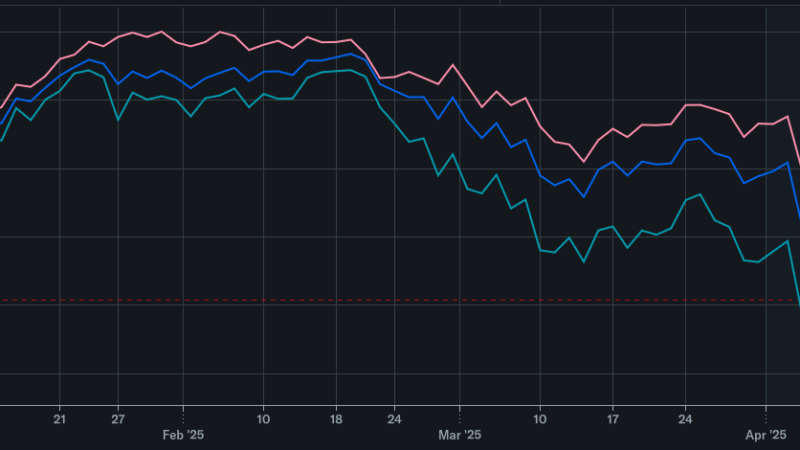
The researchers tracked 67 categories of consumer goods and found that tariffs had lifted prices by 2.9 percentage points as of February. Without the levies, they concluded, prices across those categories would have fallen by almost 1 percent instead. For every percentage point increase in the average tariff rate, consumer goods prices were roughly a quarter of a percent higher about a year later.
The study also separates the visible cost from the hidden one. About two-thirds of the total price increase came directly from the tariffs themselves, the tax applied at the border. The rest arrived indirectly: American companies that use imported parts and raw materials paid more to make their products, and those costs travelled through supply chains into final prices, a process the researchers say takes roughly nine to twelve months to fully appear.
That timing explains why the debate has been so hard to settle in real time. Economists expected tariffs to raise prices, but companies do not announce which part of a price tag is tariff, which part is freight and which part is margin, so the effect had to be reconstructed category by category. The New York Fed team, Mary Amiti, Sebastian Heise and David Weinstein, say the full effect of a tariff takes about a year to show up, and that tariffs have a larger and more drawn-out impact than the direct effect alone would suggest.
The researchers estimate that about 26 percent of last year’s tariff increases were ultimately passed through to consumer prices. The annual rate of goods inflation in the categories they studied peaked early this year, and the tariff contribution to that rate is expected to fade. But a fading inflation contribution is not a falling price level: they expect consumers to keep paying elevated prices into 2027 because the level of prices remains higher than it would otherwise have been.
The policy backdrop has shifted since the period studied. A Supreme Court ruling in February struck down many of the White House tariffs as unlawful, and the government refunded billions of dollars to retailers. Some large chains have said they will use refunds to lower prices. The White House, meanwhile, is pursuing other legal routes to keep duties around 10 percent on many imports, which is why the researchers’ warning about lingering effects still matters.
For households, the finding lands where budgets are tightest: goods. Services inflation gets the headlines, but the price of things on shelves is what shoppers compare week to week. The study suggests that even as the tariff wave recedes from the inflation statistics, the higher shelf prices it left behind will recede much more slowly.
There are early signs of the reverse flow beginning. After the Supreme Court struck down many of the tariffs in February and the government refunded billions to retailers, several large chains announced over the summer that they would use the refunds to lower prices, with one national retail chief executive describing it as the right thing to do for customers after years of cost-of-living pressure. Whether shoppers will actually see sustained relief depends on how much of the tariff-era price level companies choose, or are forced by competition, to give back.
Related reading: US Hiring Slows Sharply in September as Earlier Months Are Revised Down · High-Profile IPOs Pulled in 2026 as Market Jitters Test Valuations · TSMC Posts Record Quarter as AI Chip Demand Lifts Revenue