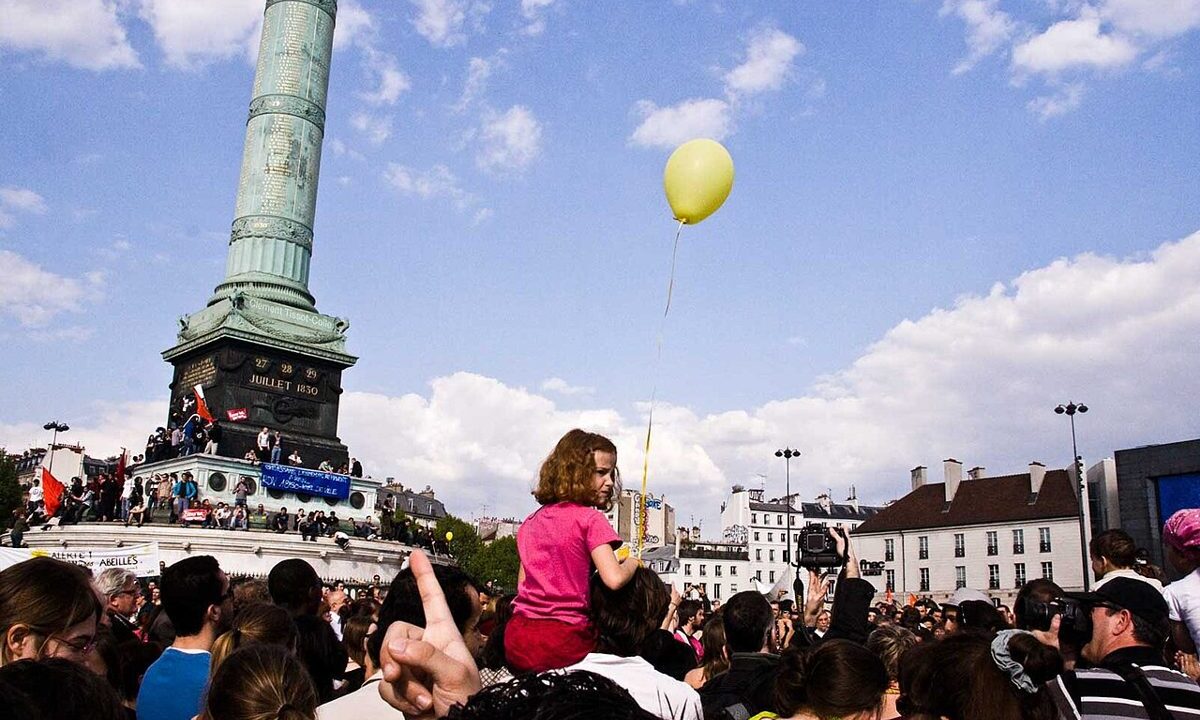
France’s second weekend of protests did not start in a union hall. It started in schools, where students protested teacher shortages and shabby facilities, and it has since grown into a national movement over living costs, fuel prices and public services. That origin still shapes what happened on Saturday, and why it is proving hard for the government to contain.
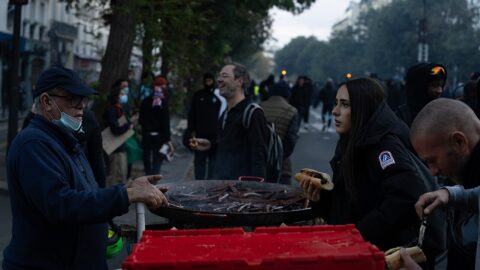
The protests began last month at high schools in the poor northern suburbs of Paris. Anger over missing teachers and run down classrooms widened into a broader complaint about inequality, public spending and living standards. By Saturday, the movement joined the Yellow Vests movement with high school and university students in marches across the country.
From classrooms to the streets
The student roots matter because they explain the movement’s breadth. This is not one union or one sector. It is a coalition of young people worried about their schools, workers worried about their bills, and families worried about fuel prices, marching under a shared sense that daily life has become harder while public services have thinned out.
One 19 year old protester in Paris put it plainly in remarks reported during the earlier unrest: the fight is about the cost of living being too harsh, fuel being too expensive, and pupils being hurt for protesting and asking for more teachers and decent learning conditions. That sentence, from the first wave of protests, still captures the second wave too.
The government response has been a show of force. Authorities deployed 70,000 police officers and gendarmes on Saturday, 10,000 more than the week before, after conceding they had underestimated the unrest on October 17. Interior Minister Laurent Nunez said high risk groups broke away from the main marches to commit violence, and that officers faced an extremely elevated level of violence in places.
A movement that keeps returning
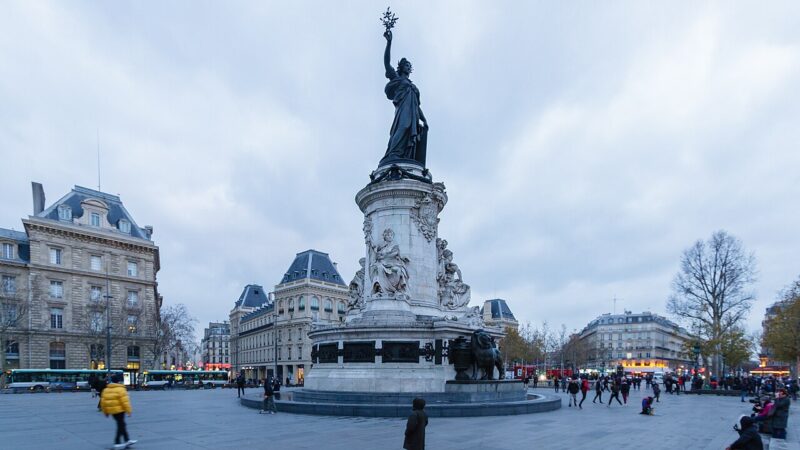
As Reuters reported, the largely peaceful rallies gave way to clashes in Paris and Marseille as night fell, with tear gas and water cannon used in Paris and bins set alight in Marseille. Nearly 1,000 people were arrested nationwide.
The pattern now looks familiar: a peaceful mass march by day, a violent fringe by night, and a government counting arrests while unions count marchers. What began as a student complaint about classrooms has become a weekly test of the state’s authority and its ability to listen. Until teacher shortages, fuel prices and household bills are addressed together, the students who started this movement have little reason to stop marching, and the government has little reason to expect a quiet weekend.