

The US Food and Drug Administration has acknowledged as complete the resubmission of the New Drug Application for Anaphylm, a sublingual film intended as a needle-free rescue treatment for anaphylaxis. The move by Aquestive Therapeutics, announced on Wednesday, assigns the application a Prescription Drug User Fee Act goal date of 16 March 2027, according to reports.
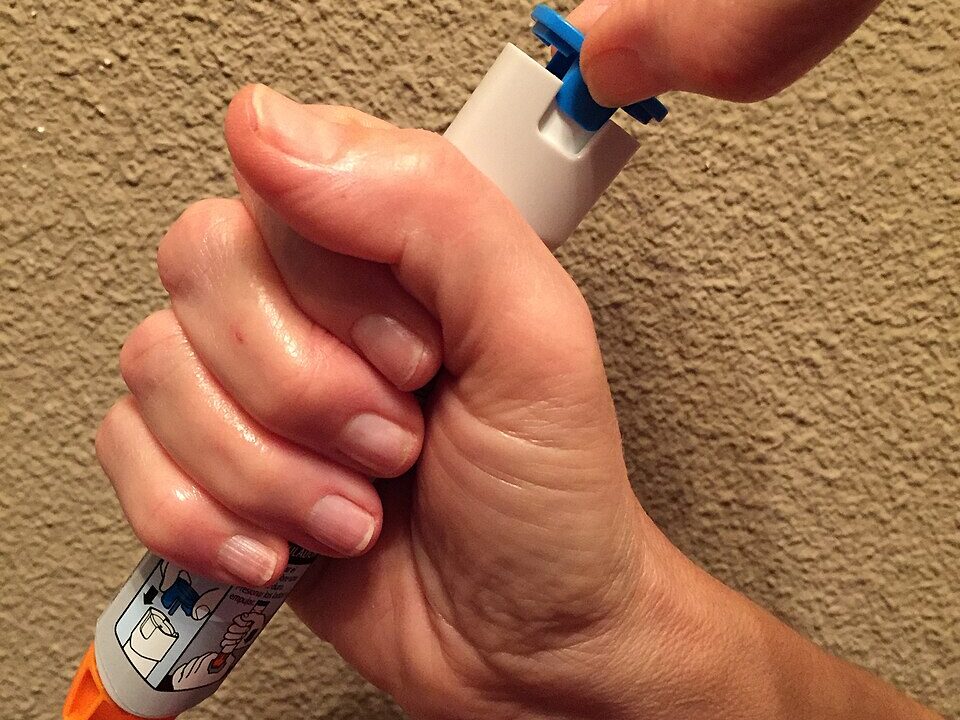
Anaphylm (dibutepinephrine) is designed to dissolve under the tongue during a Type I allergic reaction. If approved, it would be the first and only oral rescue medication for severe allergic reactions, including anaphylaxis — a category currently dominated by needle-based injectors that many patients hesitate to carry.
A second chance after the January setback
The company filed its resubmission on 16 September 2026 after positive results from human-factors and pharmacokinetic studies in August. Those studies were designed to address the issues raised in the FDA’s Complete Response Letter of 30 January 2026, which had halted the first review cycle. The agency classified the new filing as a Class 2 response, setting a six-month review clock. “The FDA’s acceptance of our resubmission and the assignment of a Class 2 PDUFA date as expected gives us a clear path forward for Anaphylm,” chief executive Daniel Barber said. “For decades, people at risk of anaphylaxis have had limited treatment options.” Aquestive’s ex-US strategy remains on track, with a Canadian filing planned for the fourth quarter of 2026.
The stakes are significant. Needle anxiety, bulky devices and social embarrassment are long documented reasons patients leave rescue medication behind — and a dissolving film that slips into a pocket could remove one of the biggest practical barriers to treatment. The development adds to a busy stretch for health news, from nearly half of US teens reporting loneliness to fresh research on chronic diseases causing 45 percent of deaths in Africa. Full details of the regulatory decision are laid out in the company’s announcement.
What to watch next
Approval is far from guaranteed: Class 2 resubmissions face a full review, and the March 2027 date is a target, not a promise. Investors and patient advocates will watch for updates on the Canadian filing and any additional data requests from the agency. If the film clears the bar, it would hand millions of allergy sufferers a treatment option that fits in a wallet rather than a medical pouch.