


Spanish Prime Minister Pedro Sanchez has called an early general election for November 29, turning a parliamentary defeat over housing into a high-risk national campaign.
According to reports, Sanchez announced the vote after lawmakers rejected government proposals intended to ease a housing crisis that has drawn protests across Spain. He said he needed a larger progressive majority to overcome resistance and deliver further social change. The decision dissolves a parliament in which his coalition had repeatedly struggled to assemble votes.
Housing is the issue that forced the moment. Spain faces a large shortage of homes, rising rents and intense pressure on young people. Reports cited a Bank of Spain estimate of a deficit of about 750,000 homes, growing in coming years. Average rents now consume an extraordinary share of a young person’s monthly income, making the crisis both economic and generational.
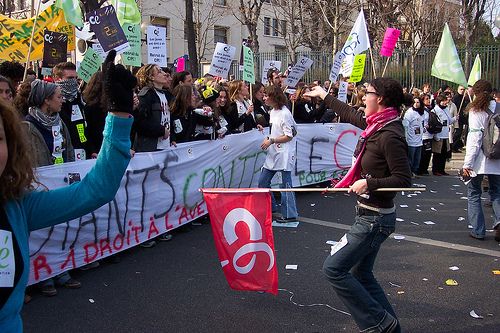
Protests helped sharpen the political trigger. Demonstrators camped in central Madrid after the attempted eviction of an elderly woman became a symbol of insecurity for tenants. Activists argued that people should not lose their homes when no alternative accommodation exists. The government moved to revive housing decrees covering rent protections, eviction limits and restrictions on some corporate purchases.
The opposition People’s Party, led by Alberto Nunez Feijoo, argues that Spain’s failure is one of supply. Feijoo pledged to sharply increase homebuilding and cut taxes if elected. That sets up a clear campaign contrast: the government emphasises protection for tenants now, while the opposition says more construction is the only durable answer.
The gamble is substantial because Sanchez’s Socialists trail in most opinion polls reported this week. An early vote could allow him to change the subject from other controversies, but it could also end one of Europe’s remaining left-leaning governments. European politics, under pressure from the far right, defence demands and higher borrowing costs, forms the wider backdrop.
Unions added another complication by calling a nationwide general strike over housing for November 11, shortly before the vote. If it proceeds, the strike will keep rents and evictions at the centre of the campaign. It may help Sanchez argue that housing requires urgent action, or it may deepen a sense that the government has lost control of a problem it promised to solve.
Markets reacted calmly to the announcement, with Spanish shares broadly flat and government bonds steady. That calm reflects familiarity: Spain has lived with minority governments and political uncertainty before. Voters, not investors, will decide whether the snap election was a reset or a miscalculation.
Campaigning will now move quickly. Parties must explain how they would build more homes without making rents worse in the short term. For Sanchez, the election is a test of a familiar political skill: surviving when opponents assume he is finished.
Spain’s housing argument has been building for years. Construction never fully recovered its earlier pace after the financial crisis, tourist rentals have reduced long-term supply in popular cities, and population growth concentrated in Madrid, Barcelona and coastal areas has pushed prices faster than wages. Successive governments have tried rent caps, public housing programmes and tax incentives with limited effect. That history explains why a single parliamentary defeat could trigger an election: housing is where economic statistics become personal. Whether voters blame the government for failing to fix it, or credit Sanchez for making it the central issue, may determine not only the next parliament but how aggressively Spain intervenes in its rental market.
Related reading: Student Protests Sweep France as Government Halts Stun Grenades · Trump Rules Out New Iran Strikes Before November Midterm Elections · INDIA Bloc Stages Satyagraha in Delhi, Demands Chief Election Commissioner Resign