

Ukraine has begun a difficult assessment of damage after a large Russian missile and drone attack struck cities and energy facilities across the country this week, killing civilians and adding pressure to a power system already bracing for winter.
According to reports, Ukrainian officials said the overnight barrage involved dozens of missiles alongside waves of drones. The heaviest loss of life was reported in Pryluky, in the northern Chernihiv region, where a missile tore into a five-storey residential building. Rescue teams worked through debris in the hours that followed, pulling survivors from the rubble while hospitals treated dozens of wounded residents.
National casualty figures shifted as recovery work continued. Early official statements put the death toll lower, but later updates raised it substantially, reflecting how slowly information moves when buildings collapse and communications fail. That uncertainty is a familiar feature of major strikes in Ukraine: the first numbers are rarely the final ones, and local officials caution that totals can change as searches end and hospitals report their cases.
President Volodymyr Zelenskyy said energy infrastructure was a central target. He described ballistic missiles as the hardest weapons for Ukrainian defences to intercept and renewed calls for additional air-defence supplies from partners. The appeal has become a recurring part of Ukraine’s diplomacy, but it carries extra weight in autumn, when damaged heating and electricity networks can turn cold weather into a second emergency.
Russia’s defence ministry said its forces had struck military-industrial sites. That claim, reported alongside Ukraine’s account, could not be reconciled with the visible damage to apartment buildings described by emergency services. In wartime reporting, official statements about intent and independently observed damage often sit uneasily side by side.
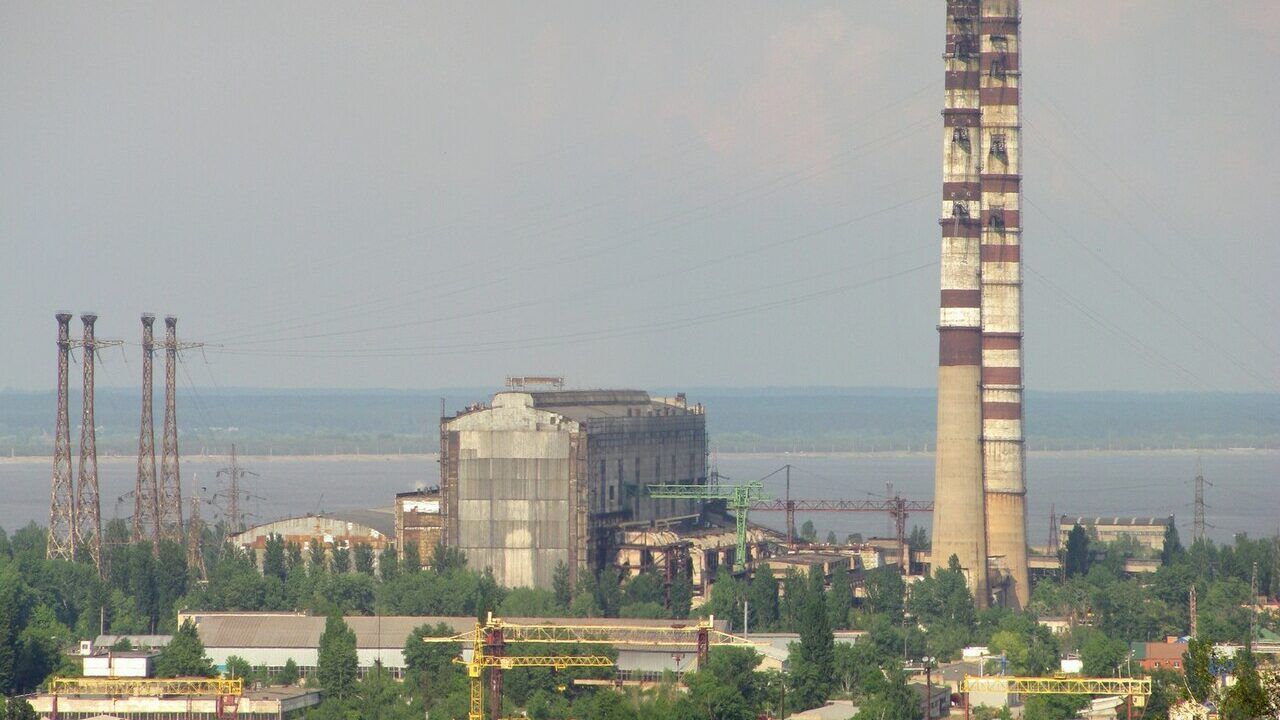
The energy dimension matters beyond a single night. Ukraine has spent successive winters repairing substations, power stations and distribution lines after repeated attacks. Each new round of damage consumes transformers, generators and skilled repair crews that are not easily replaced. Power cuts reported in parts of Kyiv after the strike were therefore read by many residents not just as inconvenience, but as a warning of what larger winter attacks could bring.
Ukraine’s air force said defences intercepted a high share of the drones used in the attack, a rate officials presented as an improvement on recent weeks. Even so, a defence can perform well against slower drones and still struggle against ballistic missiles that arrive in minutes. That gap explains Kyiv’s focus on advanced interceptor systems rather than general air-defence praise.
For civilians, the immediate work is practical: clearing apartments, finding temporary shelter, restoring water and power, and accounting for neighbours. For the government, the task is strategic as well as humanitarian. It must keep electricity flowing, persuade partners that air defence remains urgent, and document damage that may shape future reconstruction claims.
No negotiated pause appears close. Ukraine continues to strike Russian energy and military targets, according to reports, while Russia maintains its campaign against Ukrainian infrastructure. As temperatures fall, the condition of the grid may become as important to daily life as events on the front line.
The strikes also fit a wider pattern reported this autumn of both sides attacking energy assets. Ukrainian forces have struck Russian refineries and fuel facilities in an effort to reduce the resources funding Moscow’s military, according to reports, while Russia has renewed pressure on Ukrainian generation and transmission before winter. Energy has become a second front: refineries, substations and heating plants are now strategic targets because damage there affects millions of civilians far from the battlefield. For Ukraine’s partners, the question after each major attack is whether air-defence deliveries arrive quickly enough to change the next round, not merely to repair the last one. Repair crews, meanwhile, work in the knowledge that a restored facility can be hit again.
Related reading: Former UN Rights Chief Navi Pillay Wins 2026 Nobel Peace Prize · US Sanctions Two Mumbai Firms, Five Nationals Over Alleged Iranian Petroleum Trade