

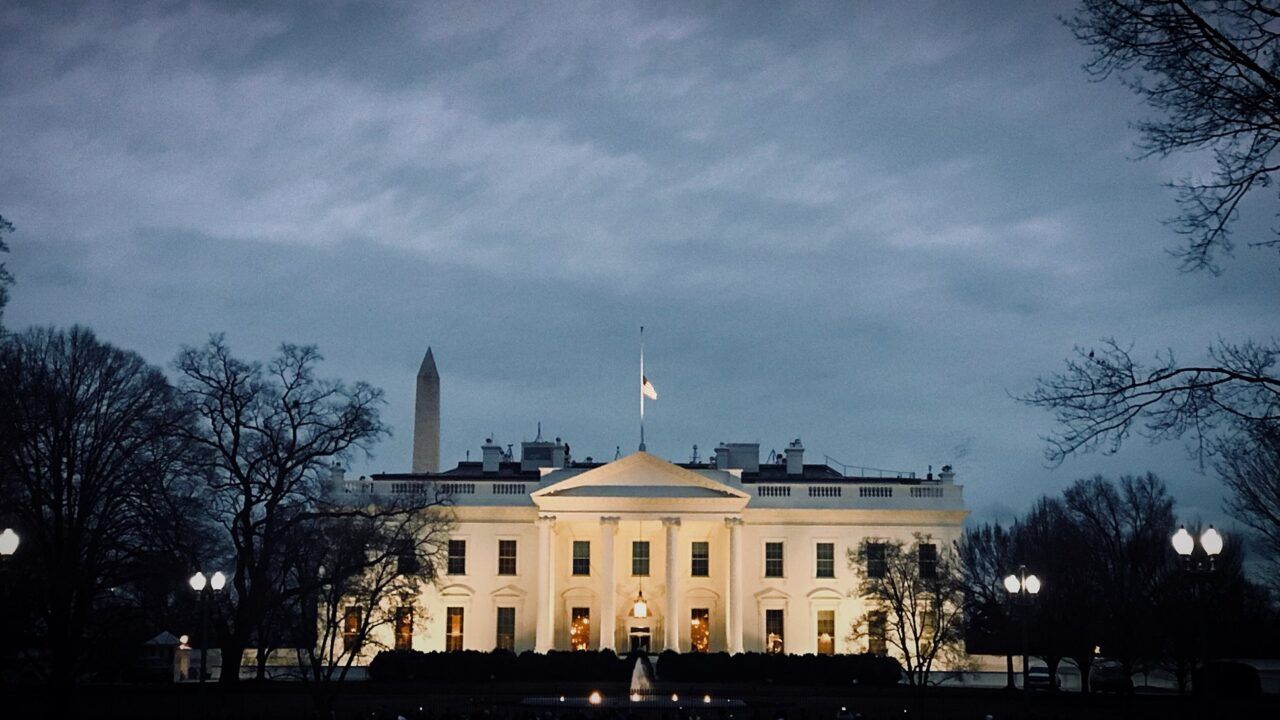
President Donald Trump has said the United States will not resume military strikes on Iran before the November 3 midterm elections, pointing to what he described as productive discussions, even as wider tensions around the Strait of Hormuz remain unresolved.
The statement lowers, at least for now, the immediate risk of a return to open strikes. Trump linked the pause to ongoing contacts, suggesting Washington sees value in keeping a diplomatic channel alive while the domestic political calendar tightens. Midterm elections often narrow a president’s room for foreign escalation, and this pledge appears shaped by that reality as much as by diplomacy.
The path here has been uneven. An interim deal reached in June collapsed, according to reports, leaving both sides without the limited understandings that had briefly steadied the crisis. Since then, signalling has replaced settlement: statements, warnings and indirect messages rather than a durable agreement.
On the Iranian side, Foreign Minister Abbas Araghchi is expected to deliver a formal reply within days, according to reports. That reply will be closely read in Washington and in regional capitals, because its tone — technical, political or confrontational — will indicate whether the current pause can hold or is merely a pause before renewed pressure.
Beyond the bilateral track, the Strait of Hormuz remains the wider worry. The narrow waterway carries a large share of the world’s seaborne oil, and any threat to shipping there quickly reaches fuel prices, insurance costs and global markets. Even without strikes, harassment of shipping or new restrictions could unsettle energy trade and draw in other navies.
For now, the elements point in two directions at once. A public no-strikes pledge before the midterms reduces one danger, while a collapsed interim deal and an awaited Iranian reply leave the core disputes — over Iran’s nuclear programme, sanctions and regional security — untouched.
What happens after November 3 is the open question. If the discussions Trump cited produce something written and verifiable, the pause could become a process. If the reply from Tehran is rejected or delayed, the same pledge that calmed markets this week could expire with the election, and the Hormuz file would return to the top of the crisis list.
Related reading: CNN, MS NOW and Politico Ask Court to Keep White House Ban Blocked · Supreme Court Pauses Deadline in Fight Over FCC Political Ad Rates · Arlington Sues to Block Trump Triumphal Arch Near Memorial Bridge