

Henri Kagan, 95, of France and Kenso Soai, 76, of Japan won the 2026 Nobel Prize in Chemistry on October 7 for their work on chirality, the “mirror image” problem in molecules, according to reports. The prize recognises research that showed how chemical reactions can be driven to favour a single mirror-image version of a molecule.
Many molecules exist in two forms that are mirror images of each other, much like a left and a right hand. Although the two versions share the same chemical composition, they can behave very differently inside the human body. According to reports, solving how to produce just one version reliably has been hugely important for pharmaceutical manufacturing, where the wrong mirror-image form of a drug can be ineffective or even harmful.
The work of Kagan and Soai addressed this challenge by showing how reactions could be steered toward a single mirror-image product. According to reports, their contributions helped turn asymmetric synthesis into a practical tool for industry, allowing manufacturers to make medicines and other compounds in the precise form required.
The puzzle at the heart of their field stretches back to Louis Pasteur, who first uncovered the mirror-image nature of certain molecules in the nineteenth century. A related mystery has fascinated scientists ever since: living organisms almost exclusively use one version of such molecules, a property known as homochirality, even though nature might seem equally capable of producing both.
Kagan, at 95, is among the oldest recipients of the prize, while Soai, 76, has been recognised for work that demonstrated striking ways in which a small initial imbalance between mirror-image forms can be amplified. According to reports, the Nobel committee’s decision honours decades of research that reshaped how chemists think about handedness at the molecular level.
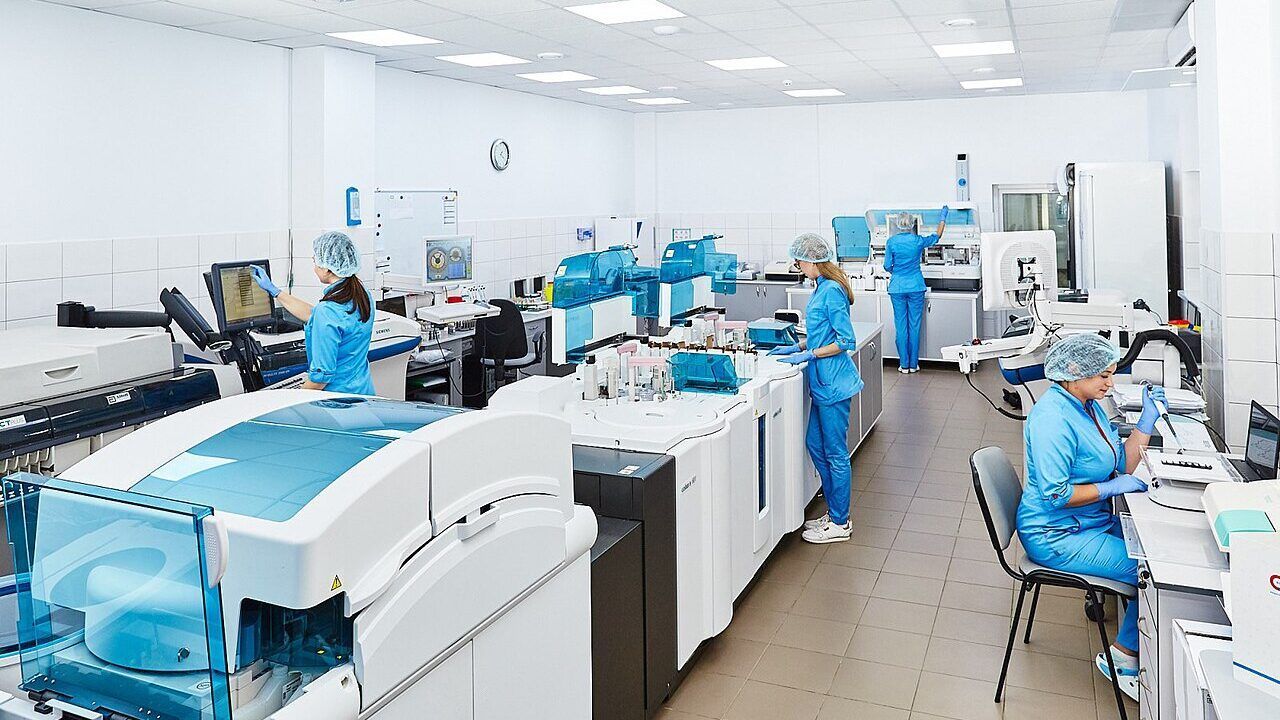
The 2026 chemistry prize adds to a long line of Nobel honours for breakthroughs that moved from fundamental curiosity to industrial impact. According to reports, the techniques rooted in Kagan and Soai’s work remain central to how pharmaceutical companies manufacture modern medicines, ensuring that patients receive the correct mirror-image form of the drugs they depend on.
Related reading: Soviet-Era Weather Satellite Breaks Up, Adding Debris to Crowded Orbit · NASA to Brief on Its Role in Japan's Mission to Land on a Martian Moon · Four Astronauts Return to Earth After 237 Days in Space