Oil prices rose on Wednesday as investors weighed the US midterm results and the implications for the president approach to Iran, with Brent crude holding above 100 dollars. The move combined two forces that often push in the same direction: political uncertainty in Washington, and a fresh security claim from the Gulf. Iran Revolutionary Guards claimed that four tankers hit naval mines while attempting to cross a prohibited route in the Strait of Hormuz, a claim that traders treated seriously even though its details remain unverified.
Why it matters
The Strait matters because it is one of the narrowest chokepoints in world energy. A large share of seaborne oil and liquefied natural gas passes through it, and even a short disruption, or the fear of one, raises shipping insurance, reroutes cargoes and forces buyers to pay more for prompt supply. That is why a claim about mines, even an unverified one, can move prices faster than a change in actual production. Markets price the risk of disruption, not only disruption itself.
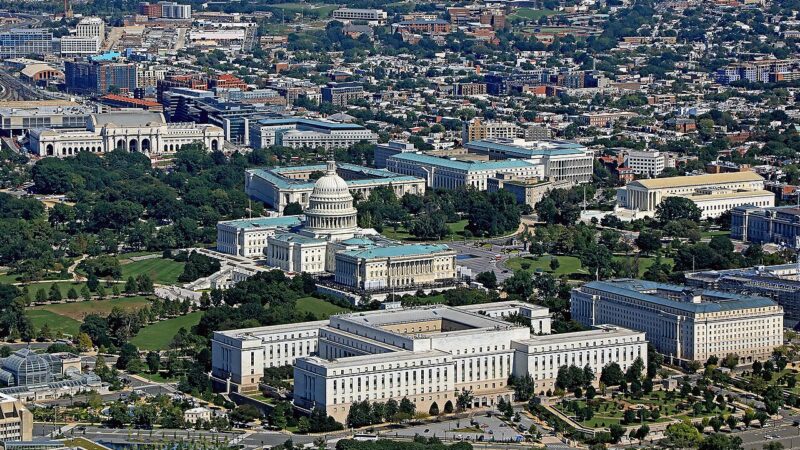
The midterm angle amplifies that effect. With Democrats now in control of Congress, traders are asking whether American policy toward Iran will shift toward diplomacy, which could ease the premium over time, or toward renewed confrontation, which could entrench it. Until Washington signals a direction, the premium is likely to stay, because no trader wants to be caught short of energy if the next headline is worse than the last.
What happens next
Gold rose more than two percent on the same day, which fits the same pattern. When political risk and energy risk rise together, investors buy assets that do not depend on either government. That does not mean a crisis is certain. It means the market is paying for protection while it waits, and that protection itself becomes part of the cost structure for fuel, transport and heating in the months ahead.
For readers, the key distinction is between price and supply. There is no evidence on Wednesday of a physical oil shortage. What changed was the price of risk. If diplomacy advances and Gulf shipping calms, that premium can fall as fast as it rose. If incidents continue or policy hardens, it can become embedded in winter fuel bills. The next few statements from Washington and Tehran will matter more than any single day of trading.