

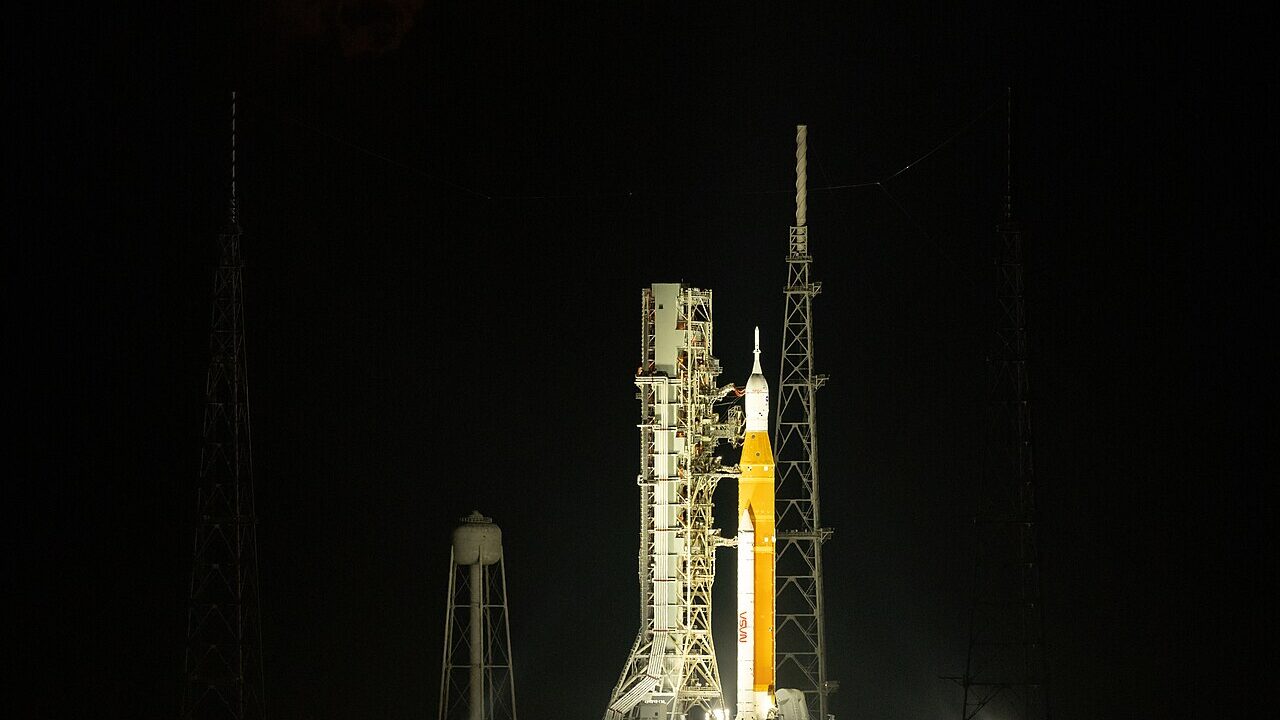
NASA will lay out its updated plans for returning American astronauts to the surface of the Moon on Friday, October 23, when the agency’s leadership briefs the media on the status of its Artemis programme at Kennedy Space Center in Florida.
The 2pm EDT briefing will be led by NASA Administrator Jared Isaacman, Associate Administrator Amit Kshatriya and Artemis programme manager Jeremy Parsons, the agency announced in its media advisory M26-081 on October 14. On the agenda: how plans for a crewed lunar landing by 2028 are progressing, and details of Artemis III — which will now send four astronauts to low Earth orbit next year to test the critical systems needed for future landings, rather than attempt a Moon trip itself.
A changed mission for Artemis III
Repurposing Artemis III into a low-Earth-orbit test flight marks a notable shift in NASA’s approach, echoing the incremental testing of the Apollo era: astronauts will rehearse docking with the commercial lunar landers built by SpaceX and Blue Origin before any crewed landing is attempted. The briefing follows the release of 800 gigabytes of Artemis II moon data to researchers earlier this year.
The change reflects a stated priority of reliability and crew safety. Isaacman told a space industry conference last month that many complex factors must align for a successful lunar landing, and that the public deserved a clear, updated outlook on the schedule. The agency says Artemis astronauts will ultimately fly increasingly difficult missions near the lunar south pole, building toward an enduring human presence on the surface and, eventually, a crewed mission to Mars.
The race with China
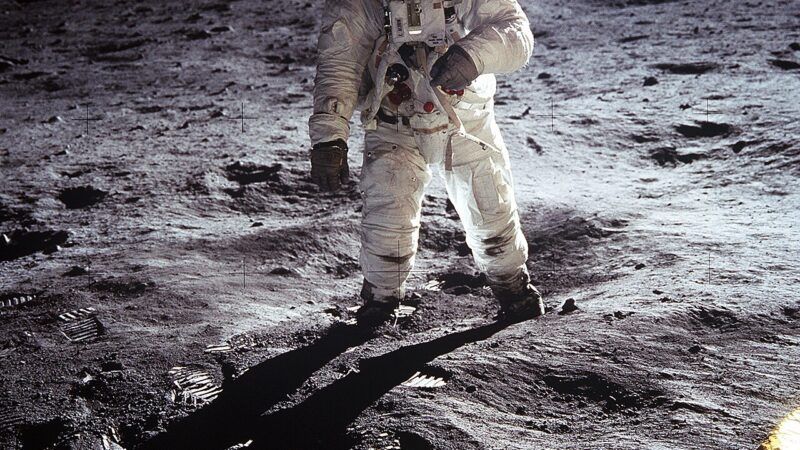
Competition with China is the main driver behind the acceleration push. Isaacman has framed the contest in stark terms: the measure of victory, he said, is which nation’s flag appears on the spacesuit of the next person to walk on the lunar surface. Both countries are investing heavily in lunar infrastructure, and the south pole’s water ice — a potential source of fuel, air and drinking water — has made the race as economic as it is symbolic.
The October 23 session will be closely watched for signs of how firm the 2028 landing goal really is, and what Artemis III must demonstrate in orbit to keep it credible. Full details are in the agency’s media advisory. The programme continues alongside other exploration efforts, including NASA’s role in Japan’s mission to land on a Martian moon.