

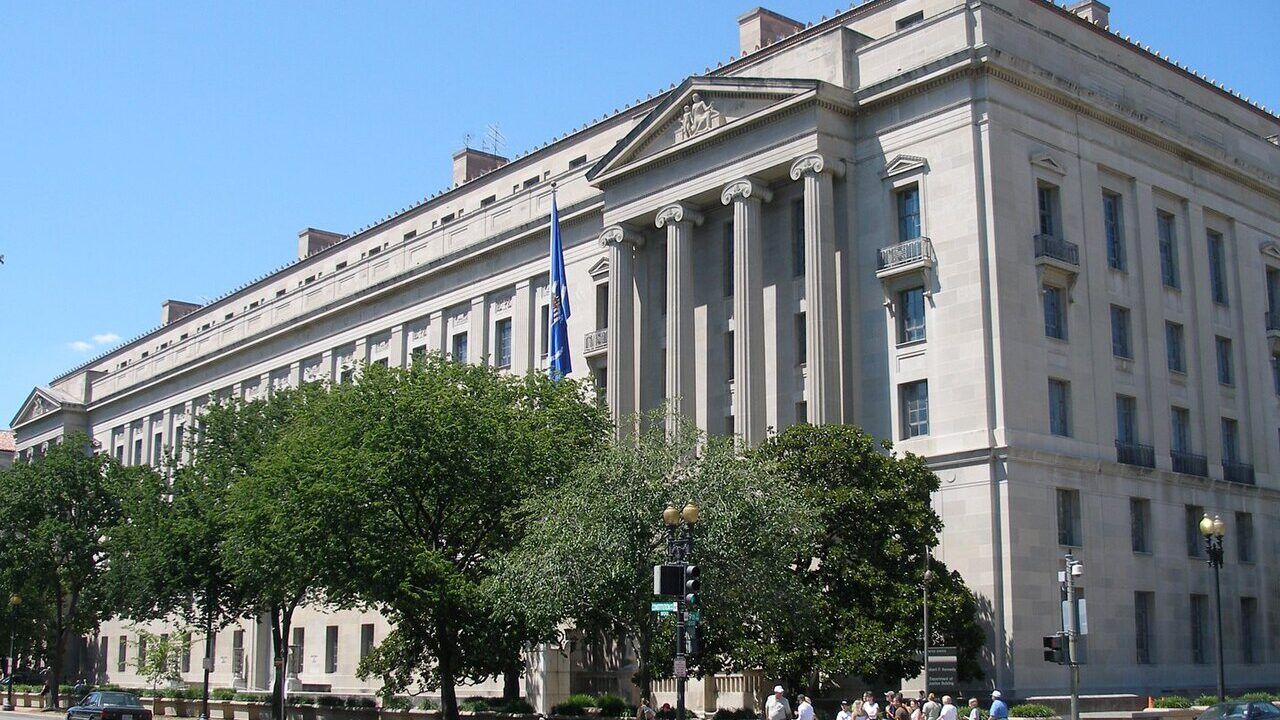
The Justice Department is considering whether to update the guidance that tells companies how far they can cooperate on cybersecurity without breaking antitrust law, as artificial intelligence labs press for room to work together on safety.
Associate Attorney General Stanley Woodward, who leads the department’s antitrust work, told an event in New York that existing guidelines spell out how companies can coordinate on hacking risks. The administration is watching the AI question closely, he said, but is still waiting to hear from the industry. So far, he said, no frontier AI company has contacted his office to ask for that conversation.
The request from the labs is straightforward to state and hard to grant. Leading developers have begun discussing shared AI risks among themselves, and OpenAI’s global policy chief has said the company has been working for weeks on those risks with Anthropic and Google DeepMind, pointing to industries such as aviation, where competitors cooperate on safety without competing any less fiercely on everything else.
The loudest call came from Anthropic’s leadership, which has asked for antitrust clearance that would let competing developers coordinate even on slowing the pace of development for safety reasons. That goes further than sharing information about attacks. Slowing a rival’s product, or agreeing together to slow your own, sits close to the conduct antitrust law exists to prevent, which is why the legal answer matters so much.
Not everyone in the administration is sympathetic. The chair of the Federal Trade Commission, which shares competition enforcement with the Justice Department, said he would be deeply suspicious of requests for relief and described what the AI companies are asking for as barriers to entry that would insulate them from challengers. That split, between openness at the Justice Department and scepticism at the FTC, captures the policy dilemma: safety cooperation can protect the public, and it can also protect incumbents.
Congress is circling the same problem. Bipartisan legislation would create a narrow antitrust safe harbor for AI developers and security researchers who share information about serious threats, including model theft, foreign adversary attacks and risks to critical infrastructure, while requiring companies to notify the Justice Department before coordinating any delay or limit on development. Supporters say the guardrails keep safety work from becoming a tool for shutting out smaller competitors.
For now, the practical position is the one Woodward described: cooperation focused on cybersecurity does not, on its face, look anticompetitive to the department, and officials remain willing to meet. The labs, notably, have not yet asked. Until one of them does, the most consequential conversation in AI policy is the one that has not happened.
The bipartisan bill working its way through Congress shows how narrow any safe harbor is likely to be. As summarised by the Congressional Research Service, it would protect companies that share information or assistance about covered AI security risks in good faith: the theft or weaponisation of models, help in building chemical, biological or cyber weapons, disruption of critical infrastructure, or systems escaping the control of the people responsible for them. Coordinating to delay or limit a release would require written notice to the head of the Antitrust Division first. In other words, even the industry’s friends in this debate want cooperation watched, documented and fenced in.
That fencing is the price of permission, and the debate now is whether the AI industry is willing to pay it.
Related reading: FTC Opens Industry-Wide Probe Into AI Agents at OpenAI and Anthropic · Google Limits Free Gemini Access to Flash-Lite From October 9, Reports Say · Upscale AI Launches Token Fabric to Connect Rival Chips in One Network