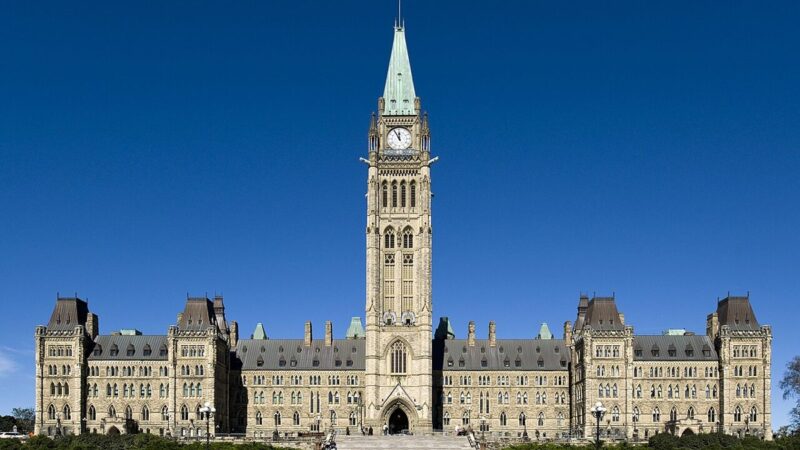

Ottawa has framed its budget due on Thursday, 5 November, as a shift toward private investment led growth. Finance Minister Francois-Philippe Champagne previewed the package to business audiences and said the budget will focus on unlocking private capital, a message designed to present the government as a partner to investment rather than as the main spender. The framing matters because the budget arrives with a large deficit already in view and with opposition parties pressing for near term relief.
The centrepiece previewed so far is a Productivity Mega-Deduction worth about 36 billion dollars over five years, which would let businesses immediately write off eligible capital purchases instead of depreciating them over time. For a firm buying equipment, that timing change is valuable: a deduction today is worth more than the same deduction spread over future years. The government says it will also simplify tax rules for small and medium firms and is weighing tools to attract private capital, including a Canada Strong investment vehicle and possible airport investments, although ministers declined to give details before the budget.
The deficit question the budget must answer
The Parliamentary Budget Office projects a 63.3 billion dollar deficit for 2026 to 2027 and warns the government will not meet its goal of a falling deficit to GDP ratio in later years. That projection raises scrutiny of every costed commitment in the budget, because a package built on large capital incentives must show how it pays for itself over time, whether through faster growth, offsetting savings, or higher future revenue. Conservative Leader Pierre Poilievre has demanded near term relief measures such as ending federal diesel taxes and suspending the GST on fuel through summer, and is pressing for cuts to what he calls wasteful spending.
The budget preview published on 2 November captures the tension at the heart of Thursday. A government that wants to be judged on productivity and private investment must also be judged on the deficit path, and those two judgements can point in different directions. Business groups will welcome a simpler, faster write off. Fiscal watchdogs will ask whether the growth it produces arrives quickly enough to justify the cost.
What to look for on Thursday
Look for the full costings, the list of eligible capital purchases, and any measures for small firms beyond simplification. Also watch for what is not in the budget: if near term household relief is absent, the opposition argument that the package helps investors more than families will gain force. Thursday will show whether private investment led growth is a slogan or a costed plan.